

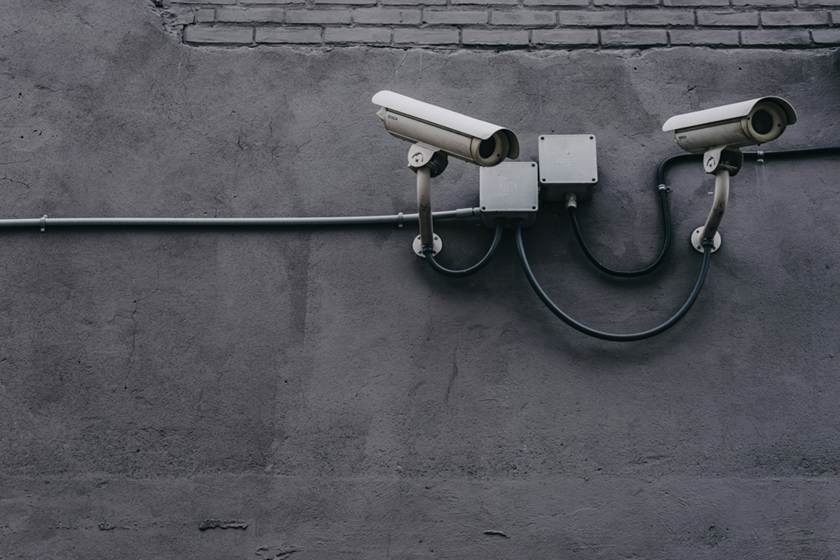
It was a quiet night when the realization hit me that my heavy deadbolt and alarm system weren’t enough. The same evening, I learned our villa’s neighbour had been broken into, and without video cameras, there was no evidence of the culprit.
Suddenly, the old wisdom of “just lock the door” felt dangerously inadequate. Modern thieves know how to bypass simple locks, and without eyes on the property, any incident goes unnoticed or unproven.
In fact, homes without visible cameras or alarms are much more likely to be targeted by opportunists. I decided it was time for more than a padlock, the next morning, I called a professional CCTV installer.
Locks Alone Aren’t Enough
Most of us assume a sturdy lock deters criminals. In reality, burglars compare homes and often avoid targets with cameras. Research suggests that 60% of burglars avoid houses with visible CCTV cameras. Properties under video surveillance simply look too risky; with no “stealth break-in” possible, thieves move on.
And even if a thief ignores the cameras, the system can catch them in the act, giving you crucial evidence. Studies confirm that homes with security cameras are far less likely to be burgled, and when incidents do happen, the footage provides a precise timeline and identification.
Before calling the CCTV company, I never thought about these stats. But facing a burglary scare, the math was clear: a $50 camera fee is nothing compared to thousands in lost goods. More than that, a lock tells me if someone breaks in; a camera tells me who and when.
The CCTV Solution & How It Worked in Practice
The morning after my wake-up call, I met with an ASTS CCTV consultant on-site. They started with a free site survey, walking the perimeter, checking lighting, and pinpointing all vulnerable entry points (gates, driveways, back doors, etc.).
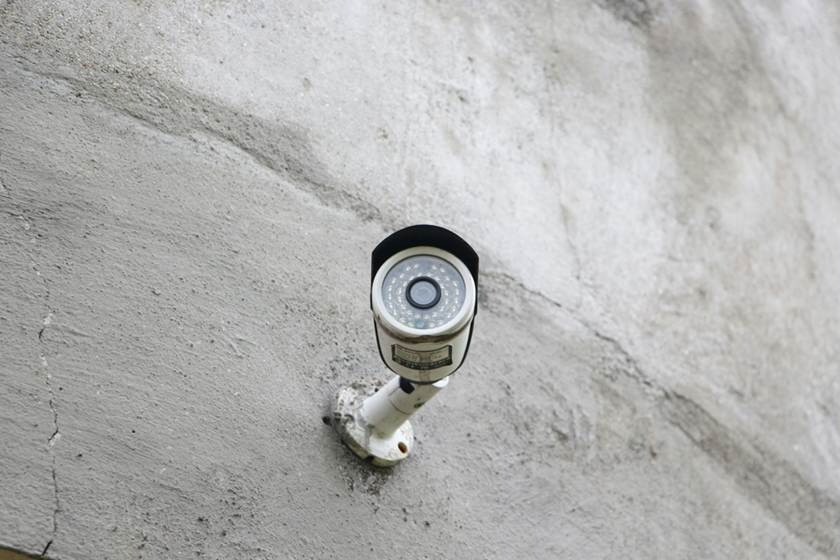
This thorough walkthrough ensured no blind spots, a key difference from my haphazard plan to “stick a camera on the gate.” In our case, they suggested cameras at the main gate, the back patio, and the garage, plus an outdoor dome covering the driveway. Each camera had night-vision LEDs and motion detection, as recommended by local police guidelines.
The installers showed me how it all works together: when a vehicle approaches, the camera activates and records continuously. If someone breaks a window or loiters suspiciously, the camera’s motion sensor triggers an alert to the phone app.
Unlike a lone wireless camera or a DIY kit, the system was fully integrated. The technician explained that a professional installation not only covers all entry points, but also meets Dubai’s SIRA regulations.
In fact, they assured me ASTS is a SIRA-approved company, meaning the hardware and setup adhere to Dubai Police standards. (In practice, this meant high-definition cameras, secure video storage, and proper conduit cabling.)
By the end of the visit, I had a custom design on paper. The team handled the entire process: mounting cameras, running cables, configuring the recorder, and testing each view. They even provided a brief training session on the system. I learned how to log in, adjust camera angles, and, importantly, how to review footage.
One key tip they stressed: always test playback every few months. Many property owners also rely on CCTV annual maintenance contracts (AMC) to ensure their cameras, recorders, and storage systems continue working properly throughout the year.
Benefits of Professional CCTV Installation
Working with a certified installer gave me several advantages beyond just picking cameras. First, the coverage and reliability are far better. The cameras they installed are SIRA-compliant HD models, clear enough to read license plates and faces even at night, not some cheap 480p unit.
The wiring is neatly hidden and protected, so weather and tampering won’t knock out the feed. Crucially, the installer ensured the recording unit (NVR) is set to overwrite old video safely, with encryption to prevent hacking. The system also supports remote access: I can check live feeds or recorded clips on my phone at any time, exactly as the UAE police advise for modern security.
Second, there’s the peace of mind. Instead of fumbling with settings, I have 24/7 support from the installer. Any glitch, a camera offline, a RAID drive error, or a software update, I just call them.
The ASTS team offers around-the-clock emergency service and routine maintenance, which Dubai authorities also recommend. For example, they come out quarterly to clean lenses (no more dusty blur!), check cables, and apply firmware patches. This proactive care means that when I return from vacation, I can trust that the system has been working all along. Without professional service, I might only notice a broken camera when it’s too late, as happens all too often when people skip maintenance.
Finally, installation companies often provide a complete security package. The ASTS consultant didn’t just sell cameras; they integrated my system with motion-sensing floodlights and an alarm panel. If a camera detects intruders, it can automatically trigger lights or sirens.
Plus, because the system is SIRA-certified, it satisfies Dubai’s building compliance rules for many communities and businesses. In short, hiring professionals turned a simple security concern into a comprehensive solution: camera eyes, reliable recording, and instant alerts, all monitored from anywhere.
Dubai’s Rules and Best Practices
One thing I hadn’t realized was how regulated CCTV is here. In the UAE, CCTV cameras must respect privacy and use approved equipment. Abu Dhabi police guidelines explicitly advise using licensed installers and selecting modern cameras (with night vision, motion sensing, and smartphone integration).
They also stress the need to keep footage secure and not to point cameras at neighbours’ private areas. Because of this, I insisted on a company that is familiar with the local laws. ASTS, being SIRA-approved, handled all that: they helped register the cameras with Dubai authorities and ensured that the data was stored in accordance with regulations.
Practical advice I took from the experts: place cameras at every entrance (front door, back door, garage, etc.) and at the outside walls, just like Dubai Police recommends for homes. Define the field of view so there are no blind alleys.
Give each camera a clear view and good lighting (they even moved a light fixture to remove glare). And don’t post any footage publicly or store it insecurely; it’s illegal without consent
. Following these guidelines means I’m not only safer, but also fully compliant with Dubai’s security standards. It’s a comfort to know I won’t face issues with authorities or insurers when the book does everything.
Final Thoughts & Next Steps
My experience taught me that security today is multi-layered. A high-quality lock is a start, but in Dubai’s environment, you need much more. Cameras, alarms, and smart monitoring are essential companions. If “the day I called a CCTV company” was an eye-opener for me, it could be the wake-up call for others, too.
If you have a home or business in Dubai, I highly recommend consulting a professional CCTV installer.
The difference between DIY and expert installation is like night and day – professionally designed systems cover every risk and stay reliable for years. For example, ASTS UAE offers free site surveys and can set you up with police-approved cameras, smart monitoring, and ongoing support.
Don’t wait for a break-in to remind you that locks alone are not enough. Invest in a complete surveillance solution now and sleep easy knowing your door and your property are truly secure.